
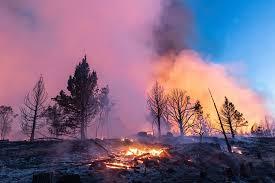
Climate change acts as a force multiplier for wildfires. Rising global temperatures and prolonged periods of drought create a "tinderbox" effect, turning forests and grasslands into highly flammable landscapes. These are no longer seasonal events; "mega-fires" are now occurring year-round, moving faster and burning more intensely than ever before.
For wildlife, the impact is catastrophic. Unlike traditional fire cycles, which some ecosystems are adapted to, these modern infernos are so vast that animals often have no escape routes.
The threat to biodiversity isn't just limited to the immediate loss of life during a fire. The long-term consequences are often more devastating: fires destroy the specialized environments—old-growth forests, wetlands, and unique shrubs—that specific species rely on for food and nesting. Small patches of unburnt land, known as refugia, are becoming smaller and more isolated, making it impossible for populations to recover or migrate. Animals that survive the flames often face a barren landscape with no food sources, leading to mass starvation in the months following a blaze.
Conservationists are particularly worried about "specialist" species—those that live in very specific niches. When a wildfire hits a localized habitat, it can wipe out an entire population of a rare amphibian, bird, or insect in a single afternoon. This loss of genetic diversity weakens the resilience of the entire ecosystem.
"We are witnessing a decoupling of natural cycles," environmental experts warn. "Wildfires are now occurring at a frequency and intensity that nature cannot keep up with. We are losing species before we even have the chance to study them."
The report emphasizes that protecting biodiversity requires more than just fire suppression; it requires aggressive climate action to limit global temperature rises. Additionally, new conservation strategies are needed, such as: anabling animals to migrate safely away from high-risk fire zones. Planting fire-resilient native species rather than fast-growing, flammable monocultures. Using satellite technology and AI to predict fire paths and prioritize the evacuation or protection of critical habitats for endangered species.
The charred remains of forests are a stark reminder that the climate crisis is not just a human problem. As the planet warms, the silent victims—the millions of animals losing their homes—stand as the most tragic evidence of a world out of balance.