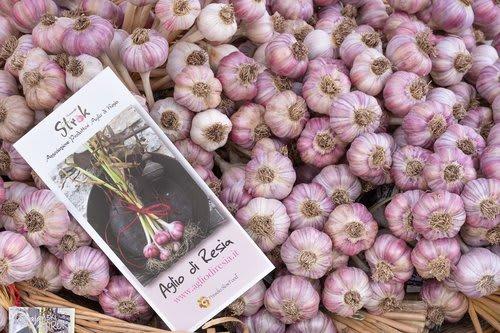
RESIA (NORTH-EAST ITALY) — July 25, 2026 — In the heart of North-Eastern Italy lies a unique mountain valley with a centuries-old agricultural heritage: the cultivation of a rare, historic garlic variety. Today, returning to farm this alpine land is not a nostalgic glance into the past, but a strategic roadmap for the future.
The Resia Valley (Val Resia) is transforming into an international showcase and living laboratory for social and economic innovation, where the reclamation of abandoned high-altitude land becomes the driving force for job creation, biodiversity conservation, and community revitalization.
The turning point of this initiative will be presented on Sunday, July 26, at 3:30 PM in San Giorgio di Resia, during the local festival "Aglio, olio e peperoncino a km zero". The event will unveil the comprehensive project for the relaunch of the celebrated Garlic of Resia (Rosajanski Strok), originating from a public call promoted by the Municipality of Resia under Regional Law 10/2010 for the recovery of uncultivated land.
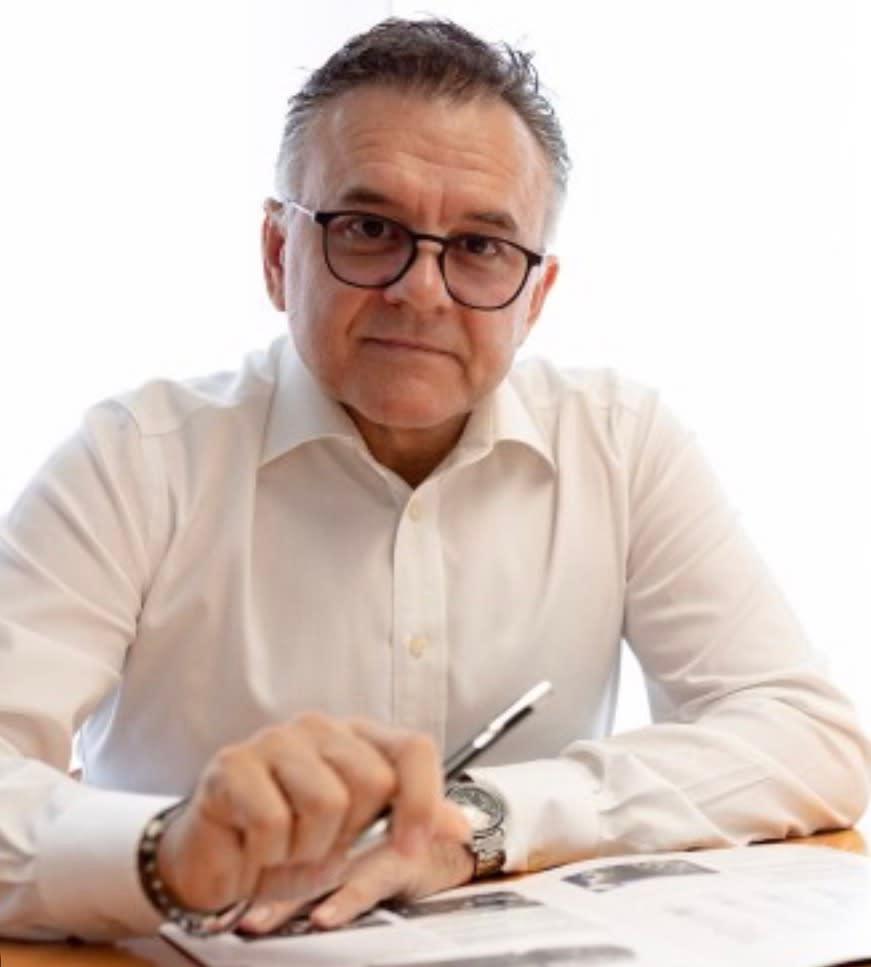
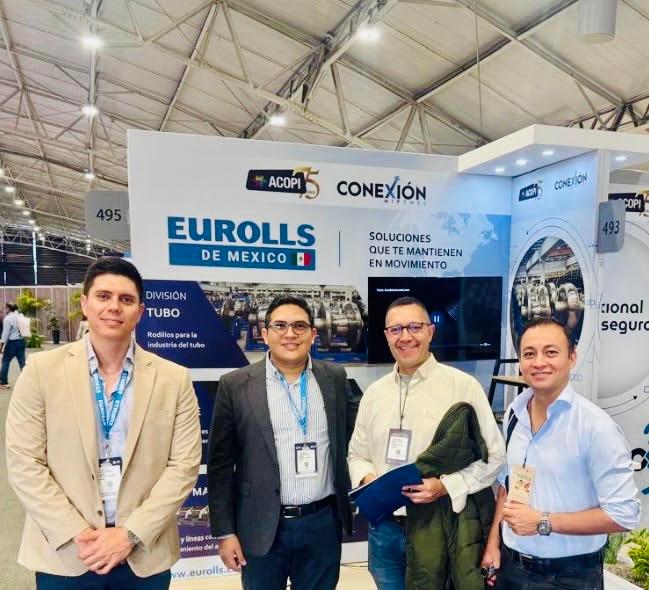
The contract was awarded to Azienda Agricola Val Resia, led by Renato Railz. Railz—founder and chairman of the global industrial group Eurolls—is doubling his commitment to the region by expanding his entrepreneurial footprint from high-tech manufacturing to sustainable agriculture.
A 5-Year Vision for Agricultural Innovation and Landscape Preservation
The agreement mandates that the reclaimed land be actively managed and cultivated for at least five years. A core portion of the land will host the "Garlic of Resia Seed Nursery", an advanced breeding center dedicated to propagating and preserving the native local seed strain.
Key operational pillars of the project include:
Crop Rotation: Protecting and enriching long-term soil fertility.
Landscape Stewardship: Active, continuous land maintenance to prevent uncontrolled reforestation and loss of open alpine spaces.
Strategic Ecosystem Collaboration: A multi-stakeholder network aligning the Val Resia Agricultural Company, the Municipality of Resia, the Julian Prealps Natural Park, the University of Udine, and the Garlic of Resia Slow Food Community.
Resia Mayor Anna Micelli expressed great satisfaction with the initiative, emphasizing its value in rebuilding the local economy. For Renato Railz, this initiative represents an active crusade against rural depopulation in Europe's mountainous regions.
"Believing in Resia means investing in its people, its resources, and its capacity to build a future," stated Renato Railz. "Following our initial industrial venture in the valley, we chose to commit to agriculture because land stewardship can become a viable commercial enterprise. Our goal is not just to build a project for the community, but to construct it together with the community—reclaiming land, traditional knowledge, and an iconic crop like the Garlic of Resia."
Alongside public institutions and private enterprise, local landowners are key drivers of this "Resian Incubator." By enrolling their properties under Regional Law 10/2010, they have responsibly chosen to entrust their unused plots—otherwise facing abandonment—to active agricultural production. Their foresight provided the essential foundation for this public-private alliance.
The project proves that mountain agriculture in Southern Europe remains commercially viable and socially transformative when built upon solid alliances between government, private enterprise, academia, and local citizens. The "Seed Nursery" stands as more than just a seed propagation facility: it is the symbol of an Italian valley pioneering new business models where economic growth moves hand-in-hand with environmental stewardship and community well-being.