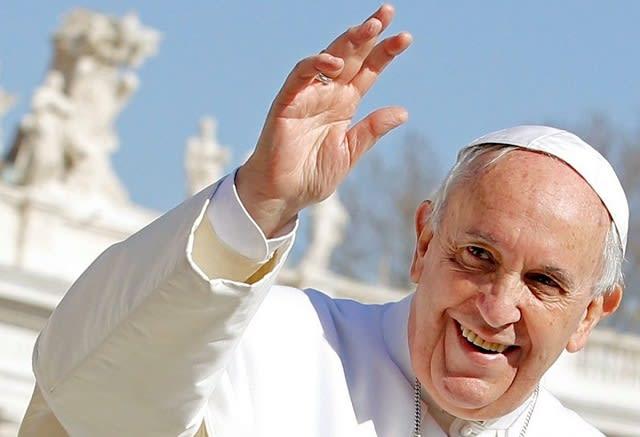
Rome Italy April 21, 2026 - Exactly one year after his passing on April 21, 2025, the global media is paying tribute to Jorge Mario Bergoglio. From the streets of Buenos Aires to the halls of the Vatican, the international press—including the New York Times, Al Jazeera, and Clarín—is reflecting on a "revolutionary" papacy that fundamentally shifted the Catholic Church’s focus toward the "culture of waste" and the world’s most vulnerable populations.
Rather than seeking immediate, rigid results, Pope Francis is being remembered for his long-term vision. Religion News Service (RNS) highlights how his reformist spirit wasn't just about changing laws, but about changing the Church's self-understanding. He prioritized "starting processes" over occupying spaces, creating a more inclusive, synodal path for the future of the faith.
Perhaps his most enduring image is that of a defender of the marginalized. Outlets like Arab News have hailed him as a "friend of the poor," emphasizing his tireless advocacy for migrants and his frequent denunciations of what he called a "World War III in pieces."
His message resonated far beyond the Catholic world. His symbolic embrace of those fleeing war and poverty became a hallmark of his moral authority. The press continues to celebrate his modest lifestyle—living in Santa Marta rather than the Apostolic Palace—as a powerful critique of global excess.
Middle Eastern and Arab media are focusing on his historic commitment to interreligious dialogue. By visiting conflict zones and reaching out to Islamic leaders, Francis is remembered as a "bridge-builder" who sought common ground during a decade of rising nationalism and religious tension.
However, the retrospectives do not ignore the turbulence. Media outlets like La7 and various international political analysts are revisiting the deep clashes that marked his reign. Francis often found himself at odds with: facing internal resistance over his pastoral openings.
Most notably his public disagreements with figures like Donald Trump on the ethics of building walls versus bridges.
In Rome, the first anniversary was marked by solemn documentaries and public commemorations. Ansa and Avvenire reported on the deep emotional bond between Francis and the people, a sentiment echoed by Italian President Sergio Mattarella, who stated that the Pope’s imprint on history remains "indelible."
As the world looks back at the year since his death, the consensus among historians and journalists alike is clear: Pope Francis didn't just lead a Church; he challenged the conscience of a planet.