
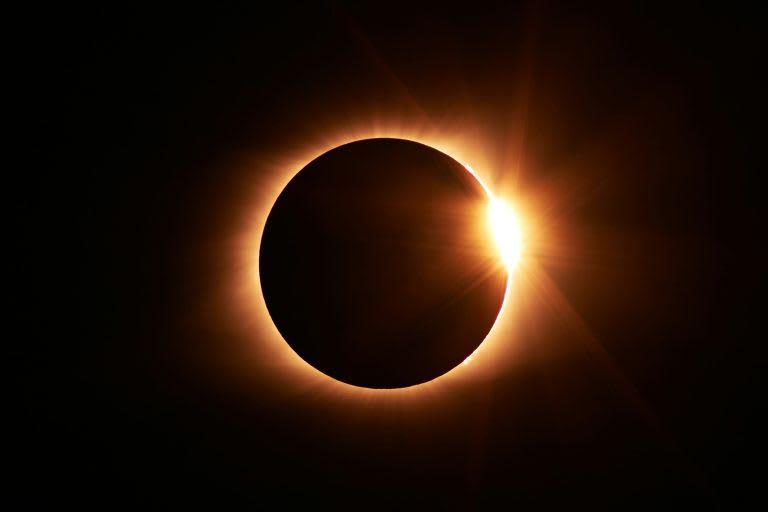
According to Le Figaro’s travel experts, the "path of totality" (the narrow track where the moon completely obscures the sun) will offer a diverse range of viewing experiences. The eclipse will first touch down in Greenland and Iceland. Watching the corona of the sun against the backdrop of an Icelandic glacier is expected to be a once-in-a-lifetime experience for those willing to brave the unpredictable Arctic weather.
The "Place to Be": Spain will be the true protagonist of the event. The eclipse will sweep across the northern and central parts of the country, including cities like Valencia, Zaragoza, and Palma de Mallorca. With August's high probability of clear skies, Spain is currently the top recommendation for those seeking a guaranteed view.
While France will not be in the path of 100% totality, regions like Brittany and Normandy will witness a deep partial eclipse (over 90%), offering a spectacular twilight effect that will captivate locals and tourists alike.
The French daily highlights a growing trend: Astro-tourism. Hotels in the path of totality are already reporting early inquiries and bookings. Travel agencies are crafting specialized "Eclipse Tours," combining the celestial event with cultural and gastronomic experiences in the host regions.
Le Figaro reminds readers that looking directly at the sun, even during an eclipse, is extremely dangerous without proper protection. Specialized ISO-certified glasses will be the "must-have" accessory of the summer. Beyond the spectacle, the 2026 eclipse will be a crucial moment for scientists to study the solar corona and the impact of sudden darkness on local wildlife and temperatures.
Unlike the 1999 eclipse, which crossed much of Central Europe, the 2026 event will occur during the late afternoon in August, providing a unique light quality as the eclipsed sun hangs lower in the sky—a dream scenario for photographers and nature lovers.