
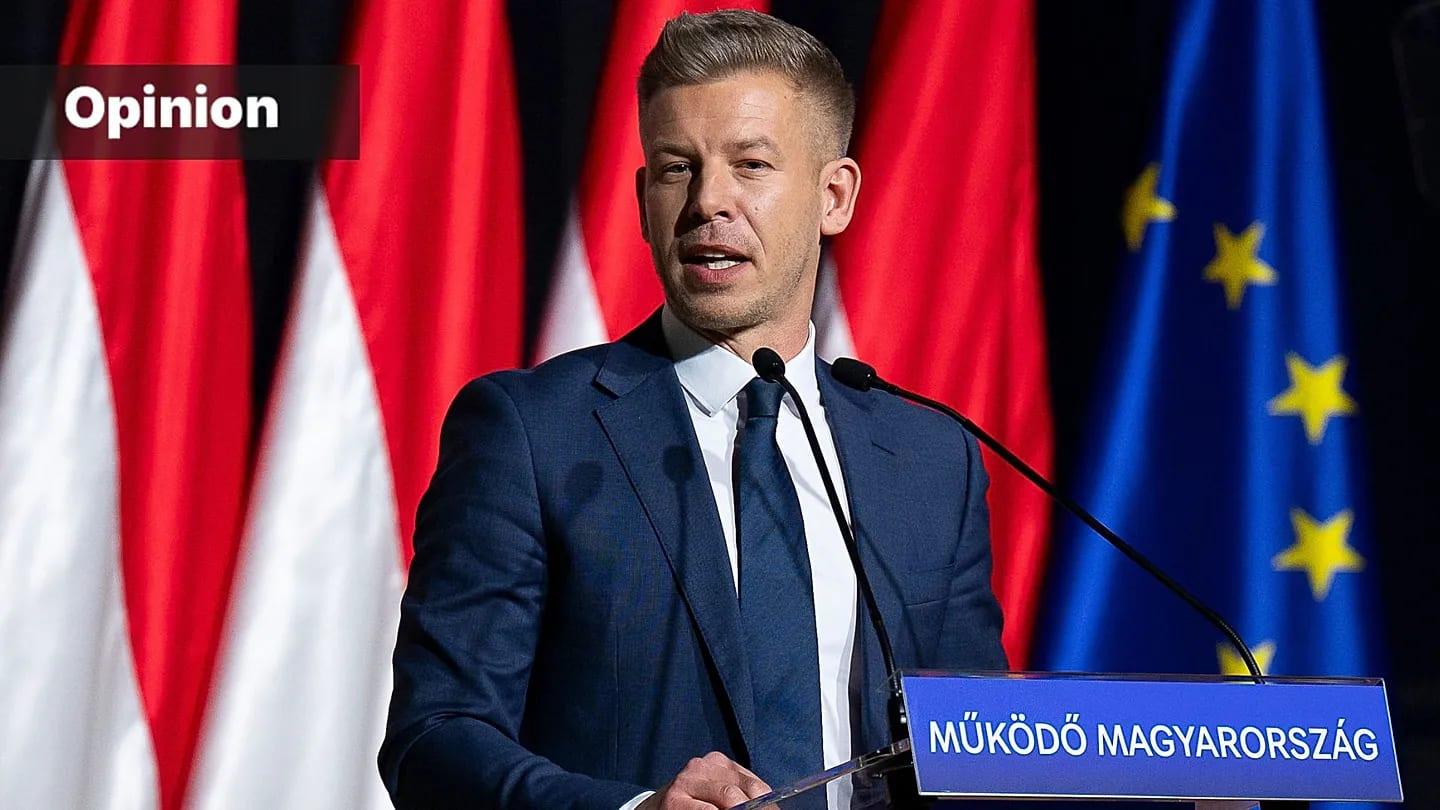
The rise of Magyar is not merely a political shift; it is a personal and systemic one. A former insider within the Fidesz machinery, Magyar’s defection and subsequent leadership of the opposition have tapped into a vein of public discontent that traditional parties failed to reach. His campaign, characterized by mass rallies and a digital-first communication strategy, has successfully framed the election as a choice between a "stagnant past" and a "transparent future."
According to live reports from Budapest, several factors have defined this election:
High Voter Turnout: Early data suggests one of the highest turnouts in modern Hungarian history, signaling a highly polarized electorate.
By leveraging his knowledge of the inner workings of the government, Magyar has targeted themes of corruption and media freedom, resonating particularly with urban youth and disillusioned rural voters.
Despite the pressure, Orbán has doubled down on his platform of "National Sovereignty," positioning himself as the sole defender of Hungarian values against "Brussels intervention."
The outcome of this election reverberates far beyond the Danube. For Brussels, a weakened Orbán—or a strengthened opposition—could mean a shift in how Hungary interacts with the EU on crucial issues, from Ukraine aid packages to the rule of law.
"This is no longer a one-man race," notes a senior political analyst in Budapest. "Regardless of the final tally, the emergence of a credible center-right alternative has fundamentally altered the calculus of Hungarian democracy."
As the final votes are counted, Hungary remains a nation at a crossroads. Whether Orbán secures a path to continued dominance or Magyar manages to fracture the Fidesz majority, the 2026 election will be remembered as the moment the Hungarian opposition finally found its voice.