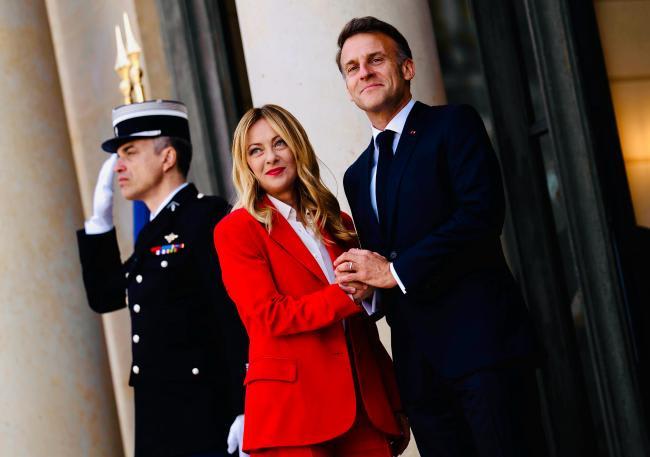
The Strait of Hormuz facilitates the passage of over 20% of the world's oil and natural gas. Escalating tensions and the persistent risk of naval blockades have prompted Meloni to seek rapid convergence with the Elysée.
The objective is clear: to prevent supply disruptions that could trigger an energy shock similar to the post-Ukraine crisis.
According to the latest reports, the summit focused on three strategic fronts. Strengthening existing monitoring missions (such as EMASoH) to guarantee the free flow of goods and deter interference.
Engaging key Gulf producers in a dialogue aimed at ensuring market stability and fair pricing.
Reaffirming Italy and France as the primary guardians of stability between the Mediterranean shores and the Persian Gulf.
The Paris summit confirms the strategy spearheaded by Palazzo Chigi: an Italy that refuses to be a bystander, acting instead as a "facilitator" between national interests and EU mandates. Meloni’s ability to engage in "hard security" discussions with historic partners demonstrates Italy’s recovered strategic centrality.
"Defending the freedom of navigation in Hormuz means defending the purchasing power of Italian and European families," sources noted following the meeting. "This is not a distant foreign affair; it is a matter of domestic security."
This diplomatic activism perfectly aligns with the recent development of the Kuçovë airbase in Albania. Italy is effectively building a "security belt" stretching from the Balkans to the gates of the Persian Gulf. This projection of both power and diplomacy positions Rome as an indispensable interlocutor for any dossier regarding regional stability.