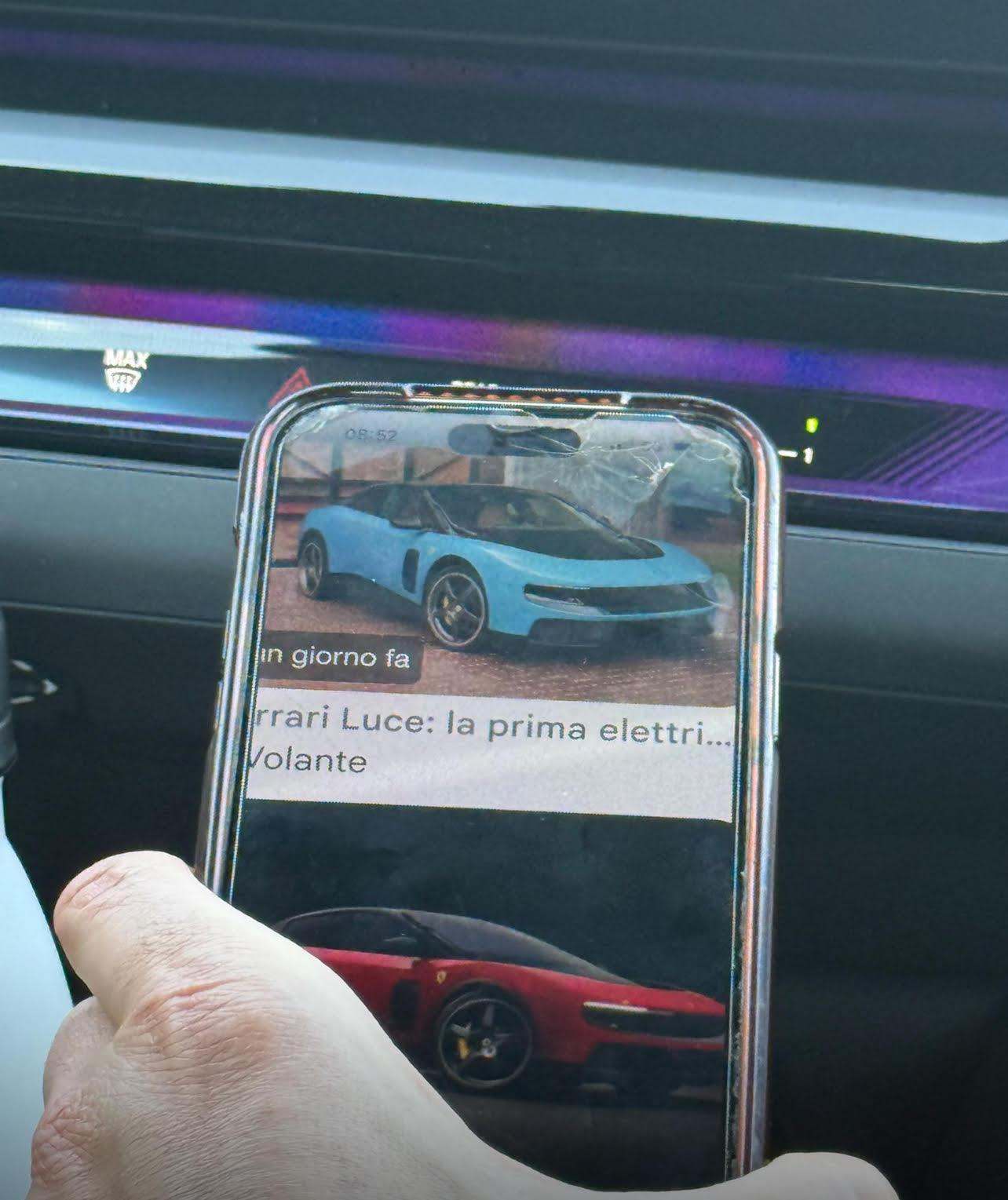
During the Confindustria general assembly, yesterday, Luca Cordero di Montezemolo, the legendary former Chairman of Ferrari, triggered a massive institutional shockwave. Montezemolo explicitly and provocatively demanded the temporary removal of the historic "Prancing Horse" (Cavallino Rampante) crest from Ferrari's upcoming electric vehicles, specifically targeting the highly anticipated "Luce" EV model. Montezemolo’s outburst reflects deep-seated frustration within circles of the Italian establishment regarding Maranello's current strategic direction, electric transition, and recent racing performance.
Two Sides of the Italian Industrial Soul
The corridors of the Taranto summit became an unexpected sounding board for Montezemolo's remarks. While the official agenda in Puglia remains strictly focused on ecological transition, employment levels, and securing Italy's steel supply chain, business leaders and delegates are privately dissecting the "Ferrari Case."
The unfolding debate highlights a fascinating dichotomy currently testing the "Made in Italy" brand:
The Pragmatism of Taranto: Dealing with the raw reality of heavy industry—salvaging Europe’s largest steel plant, managing workforce transitions, and surviving global market pressures.
The Pride of Maranello: An anthropological and strategic debate over sacred brand identity. For international observers, Montezemolo’s plea to strip the Cavallino from the new electric fleet is viewed not merely as a sports-related grievance, but as an open admission of a corporate identity crisis in the face of forced electrification.
A Litmus Test for Global Competitiveness
For many industrial leaders attending the Federmeccanica council, Montezemolo’s criticism opens a broader, more critical reflection on corporate leadership, heritage preservation, and whether Europe's historic industrial champions can withstand the relentless pressure of global green mandates without losing their soul.
Stripping a legendary symbol like the Prancing Horse from a new product line would signal a vulnerability that the Italian mechanical industry, currently navigating its most delicate technological transition in a century, is highly reluctant to show to global markets.
About Federmeccanica:
Federmeccanica is the Italian Federation of Metalworking Industries. It represents Italian engineering and manufacturing companies, protecting their interests in economic, industrial, and labor relations spheres both domestically and within the European Union.