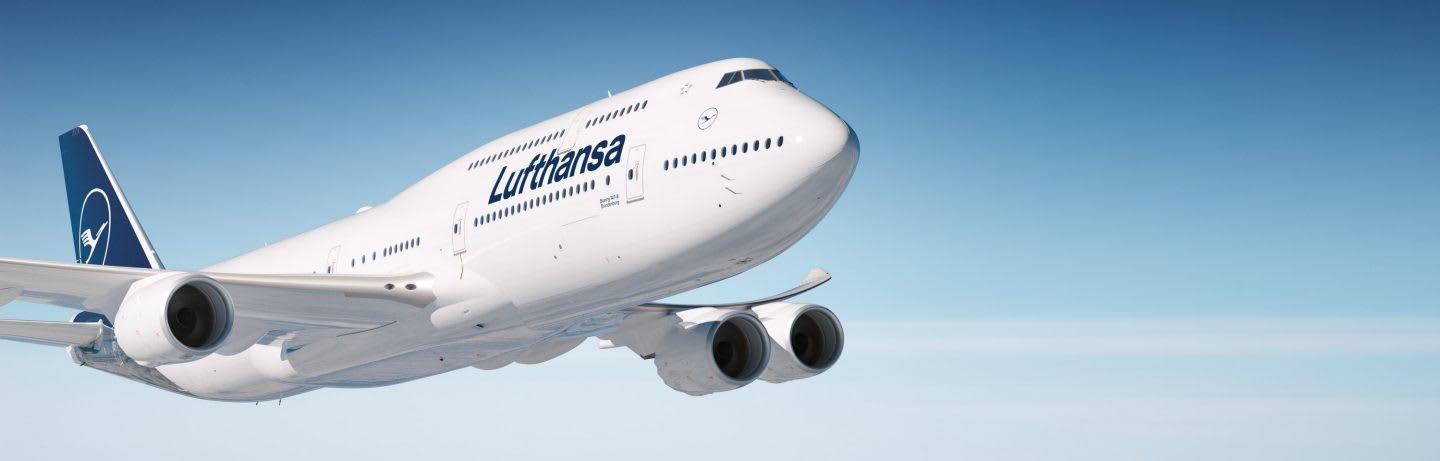
The German flag carrier stated that the reductions are necessary to optimize "load factors"—ensuring that every plane in the air is as full as possible. By cutting underperforming routes and consolidating schedules, Lufthansa aims to significantly reduce its total fuel consumption.
"The current trajectory of energy costs is unsustainable for high-frequency, low-occupancy routes," a spokesperson for the airline commented. "We must prioritize efficiency over volume to navigate this period of economic uncertainty."
While fuel prices are the primary driver, industry analysts point out that Lufthansa is also battling ongoing labor shortages. By thinning out the flight schedule now, the airline hopes to avoid the chaotic, last-minute cancellations that plagued European airports last summer.
The majority of cancellations affect domestic German and European routes where alternative rail travel is available. Major hubs like Frankfurt and Munich will see consolidated flight timings to maintain international connectivity.
Hundreds of thousands of travelers will likely face rebookings, though the airline has promised to prioritize long-haul connections.
Lufthansa is not alone. Airlines globally are grappling with a "new normal" where fuel can account for nearly 30% to 40% of total operating costs. As oil prices remain volatile, experts predict that other major carriers may soon follow Lufthansa’s lead, potentially marking the end of the "cheap flight" era.