
Despite the diplomatic opening, the Pentagon informed Congress that clearing the Strait of Hormuz of Iranian-placed mines could take up to six months. According to the Washington Post, a senior Defense official told the House Armed Services Committee during a classified briefing that such an operation is unlikely to begin until the conflict between the United States and Iran officially concludes.
This timeline has sparked bipartisan concern among Democrats and Republicans. If demining operations extend until the end of the year, global oil and gas prices are expected to remain at record highs even after a peace agreement is reached, threatening a prolonged global economic shock.
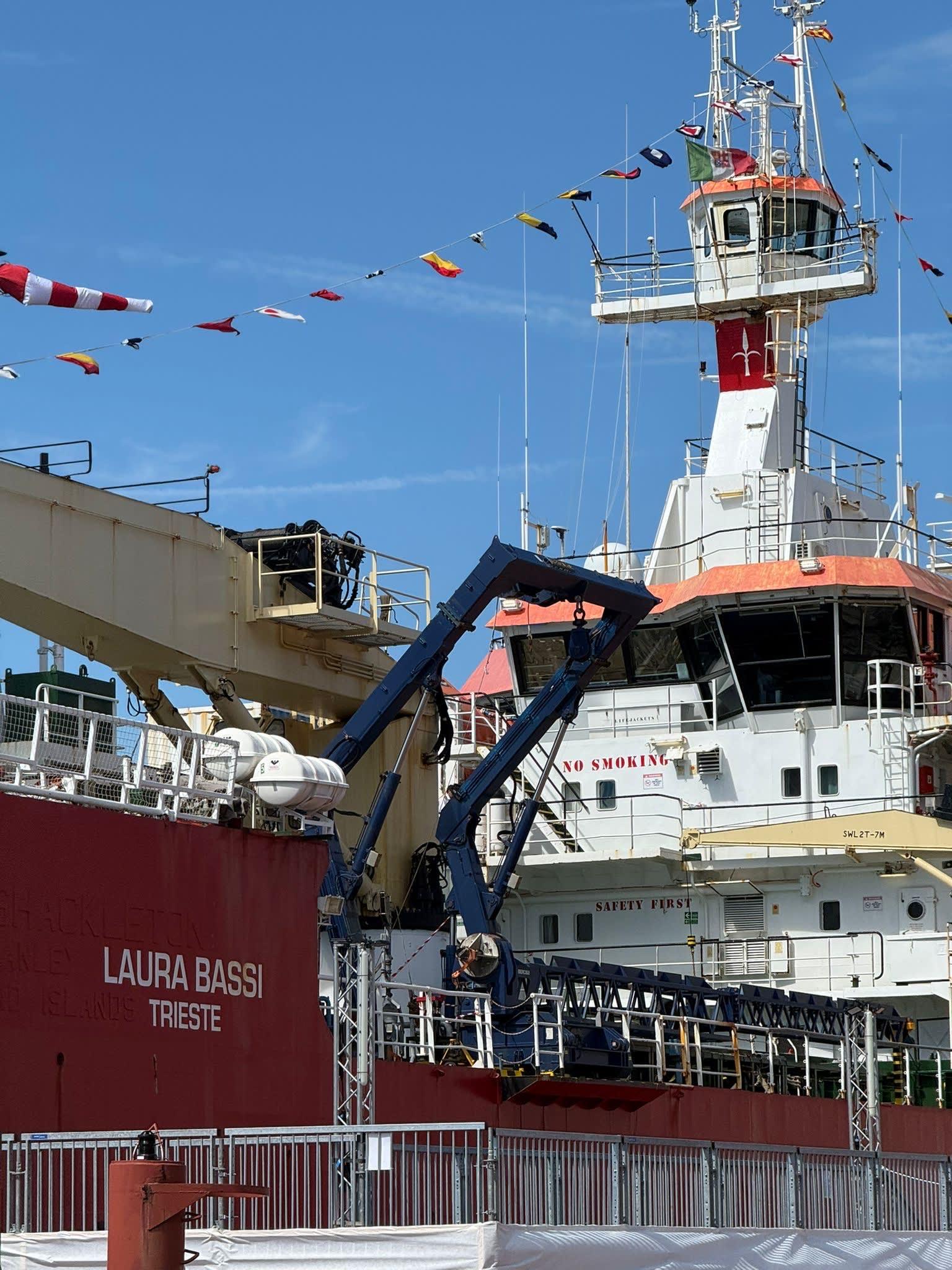
In response to the maritime threat, Italy is preparing to join an international coalition for the security of the Strait. Admiral Giuseppe Berutti Bergotto, Chief of Staff of the Italian Navy, confirmed during a broadcast of Cinque Minuti that the armed forces have planned the deployment of four ships.
"Our prudential planning involves an objective group consisting of two minesweepers, one escort unit, and one logistical support ship to allow for long-duration operations," Bergotto stated.
He emphasized that Italy will operate within a multinational context alongside France, the United Kingdom, and a joint Dutch-Belgian task force.
Meanwhile, French President Emmanuel Macron announced via X (formerly Twitter) the death of French soldier Anicet Girardin. Girardin was repatriated from Lebanon yesterday after being seriously wounded on April 18 during a military clash. The loss underscores the rising human toll of the regional instability.