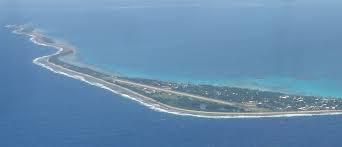
Tuvalu, a collection of nine low-lying atolls, stands just a few meters above sea level. With current climate projections, experts suggest the nation could become uninhabitable within the next few decades. The treaty is a pragmatic, albeit heartbreaking, response to an existential threat.
"For Tuvalu, climate change is not a future debate; it is a daily reality of encroaching tides and saltwater intrusion," said a Pacific regional analyst. "This pact is a life raft for a nation that the world has failed to protect through emissions reductions."
The agreement is more than a simple immigration deal; it is a comprehensive security and mobility partnership: Australia will provide a special visa pathway for up to 280 Tuvaluans per year, allowing them to live, work, and study in Australia with full access to services. Australia commits to assisting Tuvalu in the event of major natural disasters, pandemics, or even military aggression. Crucially, the treaty acknowledges that even if Tuvalu’s physical territory disappears beneath the waves, its statehood, maritime zones, and cultural identity must be preserved under international law.
While the treaty offers a lifeline, it comes with a strategic "trade-off." Under the agreement, Tuvalu must consult with Australia before entering into security or defense-related pacts with other nations (notably China). This has sparked debate about the "cost" of climate safety and the influence of regional powers in the Pacific.
The Australia-Tuvalu pact serves as a "legal laboratory" for a future where millions may be displaced by environmental collapse. As discussed by LifeGate and other environmental monitors, this treaty forces the international community to answer a difficult question: What happens to a country that no longer has land?
Tuvalu's leaders have consistently stated that migration is their last choice. Their primary goal remains "land reclamation" and global climate action to stop the warming. However, the Falepili Union ensures that if the battle against the sea is lost, the people of Tuvalu will not be left stranded in the void of international law.