This meeting marks the beginning of what could become the most complex and debated antitrust case in the modern history of transportation.
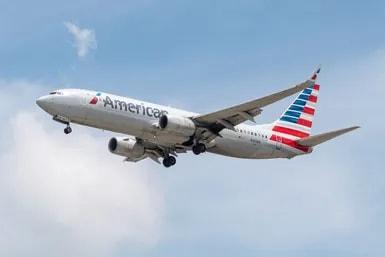
A union between United and American Airlines would not be a mere consolidation; it would create the largest airline on the planet. Together, these two carriers currently control more than one-third of the entire U.S. domestic market.
Market Cap: as of yesterday’s close, United boasts a market value of approximately $31 billion, compared to $7.4 billion for American Airlines.
Financial Context: the move comes amid heavy pressure on the sector; United has lost 15% of its value this year, while American has plummeted by 27%.
The fact that Kirby chose to pitch the idea directly to the White House suggests a calculated strategy: testing the Trump administration's appetite for a waiver from strict antitrust regulations.
While a merger would provide unprecedented operational and economic stability in the face of volatile fuel prices and international tensions, it raises troubling questions regarding competition and the potential for significant fare hikes for passengers.
Analysts are deeply divided. "A merger of this magnitude would reduce the American 'Big Four' to a dominant 'Big Three'," Wall Street sources explain. The Department of Justice will have to weigh whether the benefit of financial stability for two pillars of national infrastructure outweighs the risk of a de facto monopoly on hundreds of strategic routes.
For Europe and the rest of the world, the birth of this giant would shift the balance of global alliances (Star Alliance and Oneworld). A single United-American entity would wield immense negotiating power against aircraft manufacturers like Boeing and Airbus and would dominate slot management at the world’s major hubs, from London Heathrow to Tokyo Narita.