
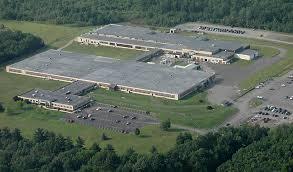
To illustrate the sheer scale of the project, The Washington Post used a vivid comparison: the physical footprint of these facilities would be equivalent to placing 51 Walmart Supercenters within a single, small urban community.
Driven by the exponential growth of Artificial Intelligence (AI), the global hunger for power and server space is pushing tech companies toward previously overlooked rural areas. Towns like Archbald are being targeted for their low taxes, available land, and proximity to power grids.
Critics argue that the scale of the project in Archbald is disproportionate. Transforming 14% of the municipality into windowless "concrete boxes" would permanently alter the landscape, local heritage, and the overall identity of the valley.
The report highlights a growing wave of local opposition. Residents are sounding the alarm not just over land use, but over noise pollution—caused by massive cooling fans running 24/7—and the immense energy demand that could destabilize the local electrical grid.
While developers tout the benefits of increased tax revenue and economic growth, experts and residents cited in the article point to a stark reality: once constructed, data centers are highly automated and require very few employees. This leaves the community with minimal long-term job growth despite the massive environmental sacrifice.
To what extent should small communities be forced to sacrifice their physical environment to sustain the digital infrastructure of the modern world? In Archbald, the conflict between the digital "cloud" and the physical earth has only just begun.