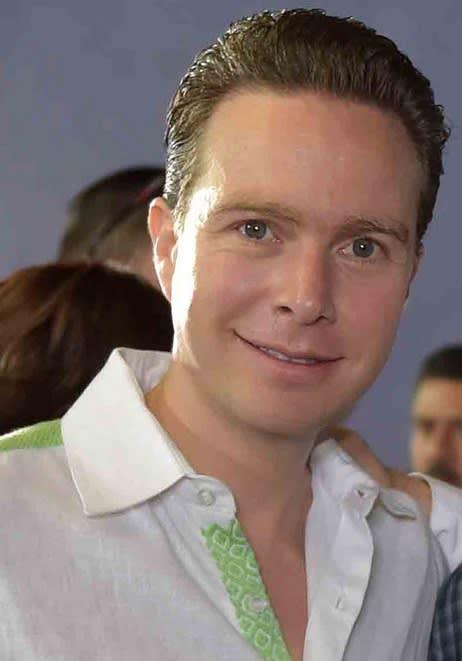
Velasco, a prominent figure in Mexican politics and a former Governor of Chiapas, brings years of legislative and executive experience to the role. Known for his ability to build bridges across different political factions, his appointment is seen as an attempt to bring a more "pragmatic and communicative" approach to Mexico’s foreign policy.
His predecessor’s departure had sparked rumors of a cabinet reshuffle, but Velasco’s quick nomination suggests the administration is keen on maintaining stability and continuity in its external relations.
The new Foreign Minister inherits a demanding agenda. Experts point to three immediate priorities for Velasco’s office. Managing the flow of transit through Mexico and coordinating with Washington D.C. on humane yet effective border policies. Strengthening the North American trade agreement amidst global economic volatility and shifting supply chains. Reasserting Mexico's voice in CELAC and other Latin American forums, particularly concerning the democratic stability of the region.
In his first brief address following the nomination, Velasco emphasized his commitment to a "sovereign and respectful" foreign policy.
"Mexico is a country with a great tradition of diplomacy and peace," Velasco stated. "Our goal will be to strengthen our alliances, promote our national interests, and ensure that our voice is heard clearly in the international arena, always prioritizing dialogue and cooperation."
International reactions have been swift. Diplomatic circles in Washington and Brasília have expressed interest in the appointment, noting Velasco's reputation as a negotiator.
For the international business community, Mexico remains a vital hub for "nearshoring" and manufacturing. A stable and proactive Foreign Ministry is essential for maintaining investor confidence. Velasco’s leadership will be tested early as he prepares for upcoming bilateral summits where trade, security, and climate change are expected to dominate the conversation.— In a strategic move to strengthen its international standing, the Mexican government has officially appointed Manuel Velasco as the nation’s new Minister of Foreign Affairs. The appointment comes at a crucial time as Mexico navigates complex trade negotiations with the United States and seeks to bolster its influence within the Latin American diplomatic landscape.
Velasco, a prominent figure in Mexican politics and a former Governor of Chiapas, brings years of legislative and executive experience to the role. Known for his ability to build bridges across different political factions, his appointment is seen as an attempt to bring a more "pragmatic and communicative" approach to Mexico’s foreign policy.
His predecessor’s departure had sparked rumors of a cabinet reshuffle, but Velasco’s quick nomination suggests the administration is keen on maintaining stability and continuity in its external relations.
The new Foreign Minister inherits a demanding agenda. Experts point to three immediate priorities for Velasco’s office. Managing the flow of transit through Mexico and coordinating with Washington D.C. on humane yet effective border policies. Strengthening the North American trade agreement amidst global economic volatility and shifting supply chains. Reasserting Mexico's voice in CELAC and other Latin American forums, particularly concerning the democratic stability of the region.
In his first brief address following the nomination, Velasco emphasized his commitment to a "sovereign and respectful" foreign policy.
"Mexico is a country with a great tradition of diplomacy and peace," Velasco stated. "Our goal will be to strengthen our alliances, promote our national interests, and ensure that our voice is heard clearly in the international arena, always prioritizing dialogue and cooperation."
International reactions have been swift. Diplomatic circles in Washington and Brasília have expressed interest in the appointment, noting Velasco's reputation as a negotiator.
For the international business community, Mexico remains a vital hub for "nearshoring" and manufacturing. A stable and proactive Foreign Ministry is essential for maintaining investor confidence. Velasco’s leadership will be tested early as he prepares for upcoming bilateral summits where trade, security, and climate change are expected to dominate the conversation.