
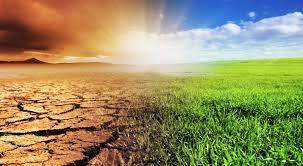
2025 has been confirmed as one of the hottest years since records began. The data most concerning to experts is not just the peak of summer highs, but the rise in minimum temperatures and the persistence of heatwaves, which now extend into the spring and autumn months. In some areas of the hinterland and the Campidano plain, average temperatures were 2-3°C higher than the previous thirty-year average. There has been a drastic increase in the number of nights where the temperature does not drop below 20°C, directly affecting public health and energy consumption. Although annual rainfall totals may seem in line with the past, the report highlights a concentration of extreme events followed by prolonged periods of drought.
Sardinia is losing its classic Mediterranean features. Prolonged drought is altering the cycles of the scrubland (macchia mediterranea) and putting traditional crops at risk.
"The ARPAS data doesn't just describe the weather; it describes our future," explained Agency technicians. "The constant rise in average temperatures accelerates soil evapotranspiration, making vegetation more vulnerable to wildfires and speeding up desertification processes, especially in the southern part of the island."
The Sardinian economy stands at a crossroads. Agriculture must deal with an overturned farming calendar, while the tourism sector is beginning to question how to manage summers that are becoming increasingly scorching. This shift is potentially moving visitor interest toward "shoulder seasons" that now exhibit typically summer-like characteristics.
The ARPAS 2025 report is not just a cry for help but a tool for political planning. The management of water resources, reforestation with resilient species, and the redesign of urban infrastructure to combat "heat islands" are the priorities indicated to mitigate the effects of a climate that will not turn back.